As business owners, especially in the tourism industry, we often receive inquiries and requests for services from potential clients around the world. However, not all emails are what they seem, as I recently discovered with a suspicious email that landed in my inbox. Please find it pasted below ash the end of this article.
Select your language
Breadcrumbs
Blog
- Details
- Blog
Here's a running list of the events and conferences scheduled in Rome:
Read more: 2021 International Conferences and meetings scheduled in Rome

- Details
- Blog
While travel has come to a near standstill right now, technology made it easy to explore and visit in the blink of an eye. Follow a virtual guided tour to explore historical sites in Rome and its surroundings, enjoy a truly interactive experience of the Vatican City, dive into history, learn about local culture, cuisine—right from your home.
Read more: Experience an Interactive Live Virtual Tour with a loca Expert Guide from your home
- Details
- Blog
Here’s a helpful insight to keep you informed
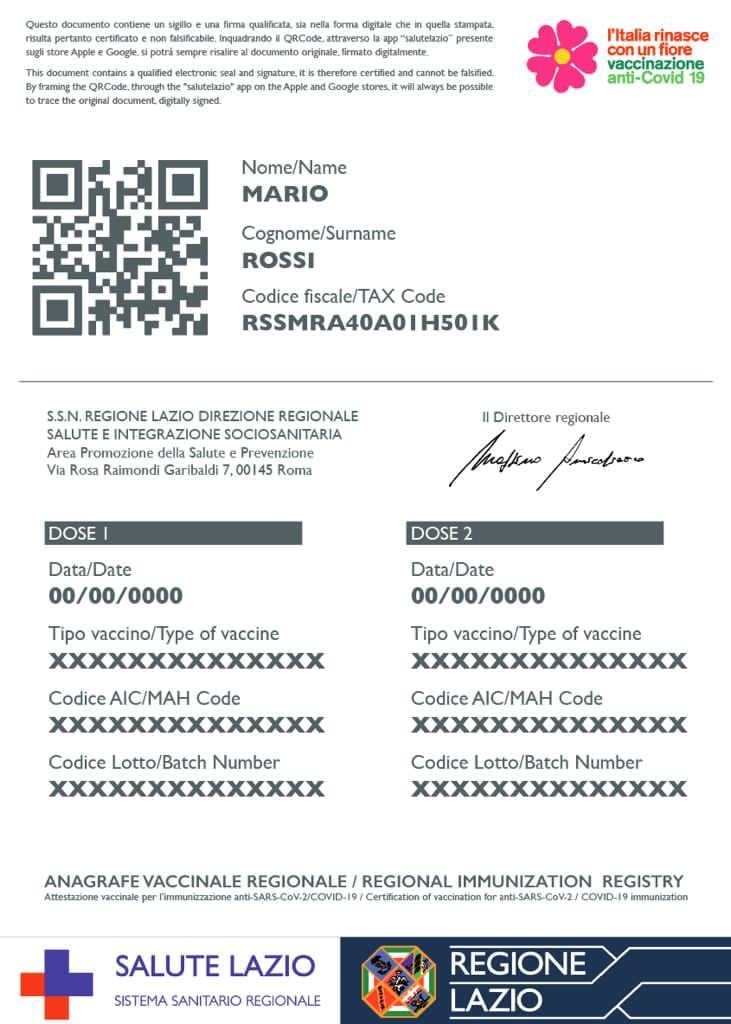
As we strive to make your trip to Italy stress-free and safe, it is helpful to be up to date with the travel and local health guidelines. Most of European countries are now developping a common path to safe and sustained re-opening, through vaccine certificate called Digital Green Certificate, mistakenly called "vaccine passport".
- Details
- Blog
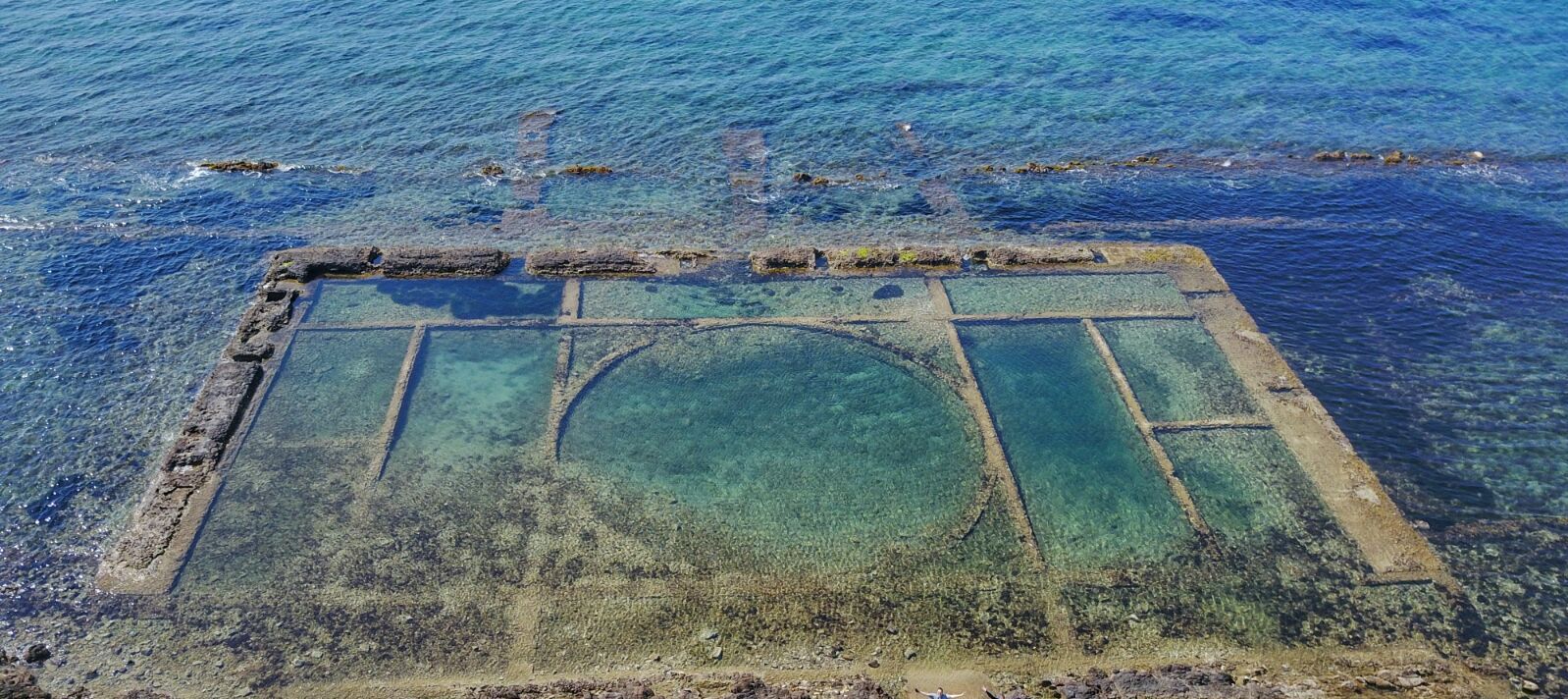
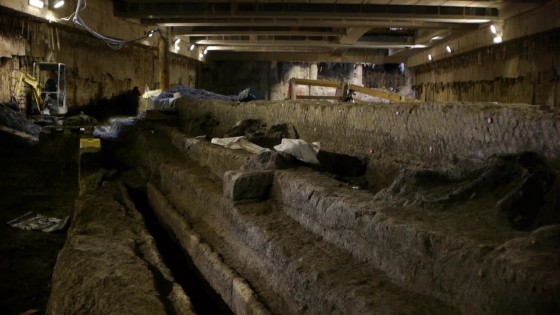
A well-preserved Roman cistern recently discovered underground Rome during the excavation works of the new Metro subway line C.
The epicenter of this new discovery, which is the last of several important archeologica founds that Rome had in the last two months is the Metro station of St. John (San Giovanni), the site of the main metro station for the new Metropolitana linea C that runs through the heart of the city. Dominated by the imposing cathedral of St. John which recently allow us to offer spectacular tours of its amazing Roman undergrounds and and with a view of the eternal Roman city walls, the busy piazza was not an unlikely place for another archaeological excavation.
Read more: Work on Rome subway Metro digs up ancient farm and a large pool
- Details
- Blog
Vatican City, 2013 (VIS) – The Press Office of the Holy See, Rene Brulhart, director of the Vatican Financial Information Authority (L’Autorità di Informazione Finanziara, AIF), presented the AIF's first annual report, which examines their activities and statistics from 2012. The AIF is the competent authority of the Holy See and the Vatican City State for financial intelligence and for supervision and regulation in the prevention and countering of money laundering and financing of terrorism. It was established in 2010 and became operational in April of 2011.
Read more: First annual report of the Vatican Financial Information Authority
- Details
- Anedocts and Stories
The Festival
“The pilgrimage is an experience that moves us, but the exterior movement is not enough if it’s not accompanied by one on the interior. The theme of the interior journey is important because it distinguishes these itineraries of faith from existing offerings that do not give the possibility of an interior experience that allows us to find the truth in ourselves concerning God and our world.” Father Cesare Atuire,
- Details
- Anedocts and Stories
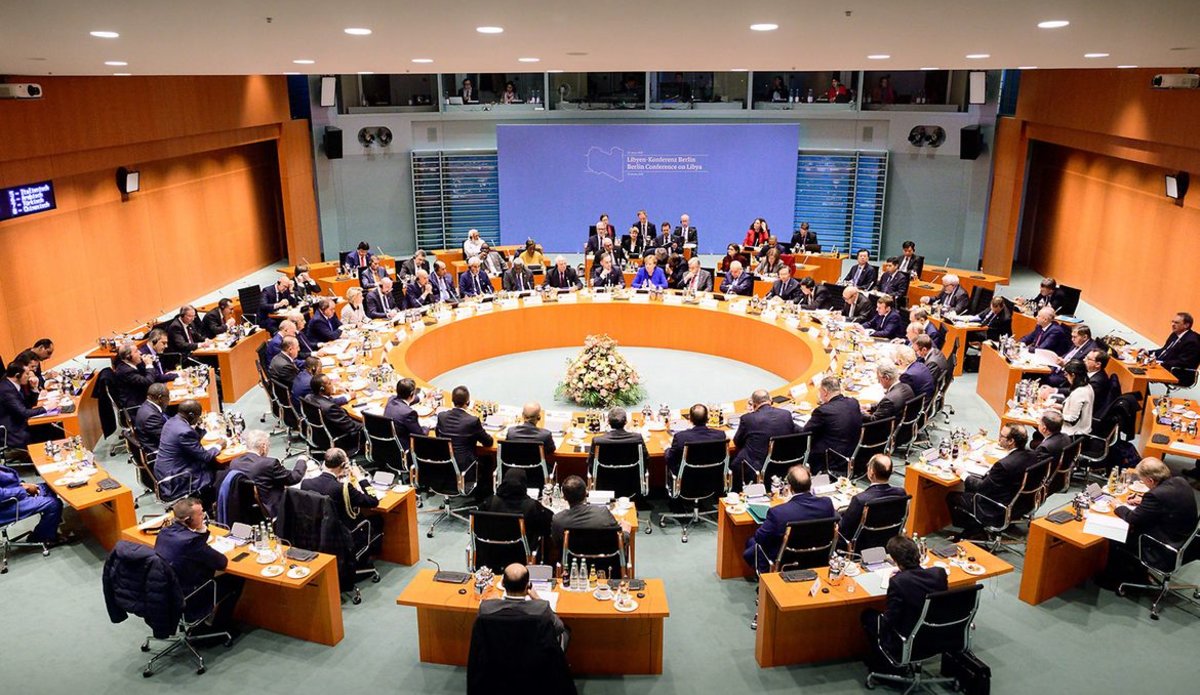
EP President Hans-Gert Pöttering welcomed ECB President Jean-Claude Trichet, Eurogroup chair Jean-Claude Juncker, Economics Commissioner Joaquín Almunia and former French President Valéry Giscard d'Estaing for a formal session marking ten years of the euro.
- Details
- Anedocts and Stories
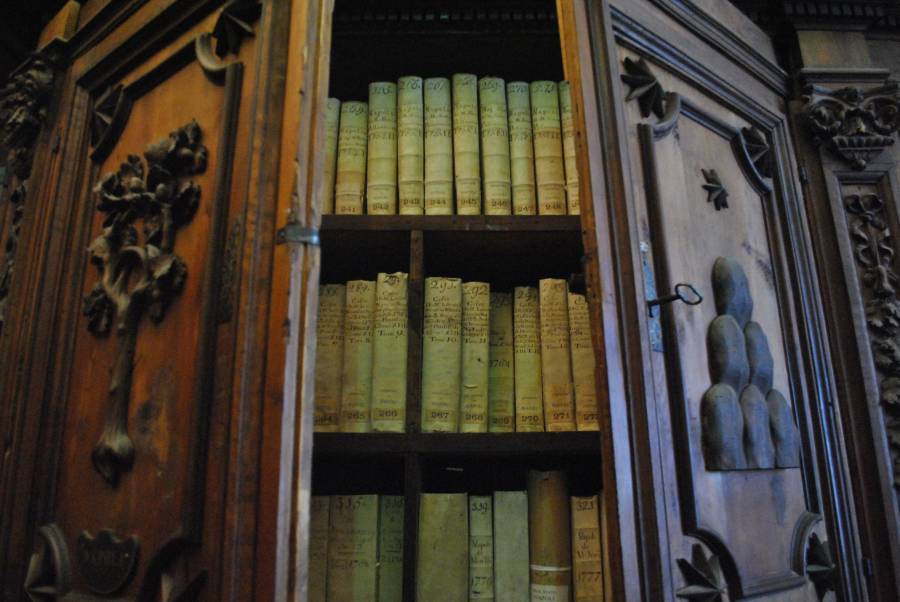
It is due to Pope Francis that the Vatican Archives are no longer ‘secret’ but ‘apostolic.’ On 28 October 2019, Pope Francis issued an Apostolic Letter motu proprio dated 22 October changing the name Vatican Secret Archive to Vatican Apostolic Archive (Latin: Archivum Apostolicum Vaticanum).
Read more: Vatican Secret Archives changed its name into Apostolic Archives
- Details
- Anedocts and Stories
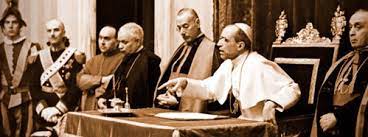
On March 2, 2020, Pope Francis made the documents of the controvertial archives of Pius XII, preserved in the Vatican Apostolic Archives (previously called Vatican Secret Archives), availabe for academic research, and the study and research projects that arise from the possibility of working on materials hitherto unpublished are infinite since then. One of these projects, and probably the most intresting one, puts at the service of a common historical research the scientific expertise of four different universities: the Catholic University of the Sacred Heart, the Pontifical Gregorian University, the Universidad de Navarra and the Universidade Católica Portuguesa.
More Articles …
Marco Pontuali
Tour Guide and Tour Operator
English, Français, Espanol, Italiano